

What Is Probate Real Estate?
How to Keep Your Parents' Home Out of Probate
Avoiding probate on your parents' home can save your family months of court delays and thousands in legal fees. Here's how to plan ahead, the right way.
What Is Probate Real Estate? A Compassionate Guide for Families
Probate real estate is the legal process of selling a home that belonged to someone who has passed away. The sale typically happens through a court-supervised process called probate, which can take anywhere from six months to two years depending on the estate, the state, and whether the sale requires court confirmation. For families navigating this for the first time, the legal terms, timelines, and decisions can feel overwhelming on top of an already painful loss.
If you've been told a home you've inherited needs to go through probate before it can be sold, you're not alone — and the process, while complicated, is more navigable than it appears. This guide explains how probate real estate works in plain language, what to expect, and how to make the experience as smooth as possible during a difficult time.
First, what is probate?
Probate is the legal process by which a deceased person's estate is settled. A court oversees the validation of the will (if one exists), the appointment of an executor or personal representative, the payment of debts and taxes, and the distribution of remaining assets to heirs — including the sale or transfer of real estate.
Every state has its own probate laws. The general framework is similar across the country, but the specifics — how long it takes, how much it costs, whether court confirmation is required for a home sale — vary significantly. We'll cover the differences for Arizona and California below.
What does "probate real estate" mean?
Probate real estate refers specifically to the sale of a home that's part of an estate going through probate. The home cannot be sold by the family directly until certain legal steps have been completed:
The will (if any) is validated by the court
An executor or personal representative is officially appointed
The court grants authority for the executor to sell the property
In some states, the sale must be confirmed by the court before it can close
A specialized probate real estate agent works with the executor, the estate's attorney, and the family to navigate this process — often handling complications that wouldn't exist in a normal home sale.
How long does the probate sale process take?
Probate timelines vary based on the state, the complexity of the estate, and whether the will is contested. In our service areas:
Arizona — Probate typically takes 4 to 12 months. Arizona has a relatively streamlined probate process, and "independent probate" allows the executor to sell real estate without court confirmation in many cases.
California — Probate typically takes 9 to 18 months, and sometimes longer. California requires court confirmation for many probate sales, which adds 30 to 60 days to the closing process and includes a court hearing where the sale may be reopened to higher bids.
In both states, the home can typically be listed for sale once the executor has been formally appointed — which usually happens within 30 to 90 days of the petition being filed.
Why do probate home sales take longer than regular sales?
Several factors add time to a probate sale:
Court appointment of the executor before any action can be taken
Required notices to heirs and creditors with statutory waiting periods
Court confirmation of the sale in California and some Arizona cases
Pricing scrutiny — courts often require independent appraisals to confirm fair market value
Heir disputes that can pause or unwind a sale
Property condition — many probate homes have been owned by elderly homeowners for decades and require significant preparation before listing
Estate debt resolution — outstanding mortgages, liens, or unpaid taxes must be addressed before closing
A good probate real estate agent anticipates each of these and works to keep the process moving forward without surprises.
What does it cost to sell a home in probate?
The costs of a probate sale typically include:
Standard real estate commissions (typically 5–6% of sale price)
Title and escrow fees (similar to a regular sale)
Court costs and filing fees ($300–$1,500 depending on the state)
Probate attorney fees (in California, these are set by statute as a percentage of the estate; in Arizona, they're typically hourly)
Estate appraisal fees ($500–$1,500 for a residential property)
Property preparation costs (cleanouts, repairs, light staging — often $5,000–$25,000+)
Outstanding mortgages, liens, and taxes paid at closing
For most families, total transaction costs run 8–12% of the home's sale price, with attorney fees being the largest variable. A specialized probate agent can often reduce preparation costs significantly by leveraging trusted vendors and avoiding unnecessary repairs.
Who can sell a home in probate?
Only the court-appointed executor (called a "personal representative" in Arizona) has the legal authority to sell a home in probate. Family members, even biological children of the deceased, cannot legally sell the property until the court has granted authority.
If you've been named as executor in the will, you'll need to:
File a petition with the probate court
Provide the death certificate
Provide a copy of the will (if one exists)
Wait for the court to issue Letters Testamentary (in California) or Letters of Personal Representation (in Arizona)
Once you have these letters, you have the legal authority to act on behalf of the estate — including hiring a real estate agent and listing the property for sale.
If there is no will, the court will appoint an administrator (often a close family member) through a similar process.
Who buys probate homes?
Probate homes attract a wider range of buyers than traditional home sales, including:
Standard residential buyers looking for a primary residence
Investors who specialize in probate purchases and renovations
Family members of the deceased who want to keep the home in the family
Cash buyers who can close quickly without financing contingencies
Buyers in the court overbid process (in California) who attend the court confirmation hearing prepared to outbid an accepted offer
A skilled probate agent markets the home to the broadest appropriate audience — which often results in significantly higher sale prices than working with a single investor or "we buy houses" company.
Probate real estate in our service areas
The probate process and market dynamics differ across the regions we serve:
Scottsdale and Paradise Valley — Many probate homes are mid-century or 1990s–2000s estates that have been lovingly maintained but may need cosmetic updates. The luxury buyer market is strong, especially during the winter season (October–April). Arizona's independent probate streamlines the process significantly.
Orange County — Coastal probate homes often command extraordinary prices and attract aggressive multi-buyer competition. California court confirmation adds complexity, but the same process can drive prices significantly higher than the initial accepted offer through court overbids.
San Diego — A mix of coastal estates and inland properties means probate sales here range from straightforward to highly competitive. La Jolla, Del Mar, and Coronado in particular see strong investor interest.
In every market, the goal is the same: maximize the value for the estate, minimize the time on market, and shield the family from unnecessary stress during an already painful chapter.
Frequently Asked Questions
What is probate real estate? Probate real estate is the legal process of selling a home that belonged to someone who has passed away, typically through a court-supervised process called probate.
How long does probate take in Arizona? Arizona probate typically takes 4 to 12 months for most estates, sometimes longer if the will is contested or the estate is complex.
How long does probate take in California? California probate typically takes 9 to 18 months. The process is longer than in many states due to required court confirmation of property sales.
Can I sell a probate house before probate closes? In both Arizona and California, yes — once the court has appointed an executor and granted authority to sell, the home can be listed and sold. The sale itself can close while probate continues for the remainder of the estate.
Do I need a special agent to sell a probate home? Strongly recommended. Probate sales involve court procedures, statutory disclosures, and timing requirements that general real estate agents are not trained to handle. A specialized probate agent can prevent costly mistakes and accelerate the process.
What service areas does Lifestyle Living cover? Lifestyle Living provides probate real estate services across Scottsdale, Paradise Valley, Orange County, and San Diego.If you’re in a state we don’t service, contact me and I will refer you to a trusted agent in your state. Email me: Sandra.m@theagencyre.com
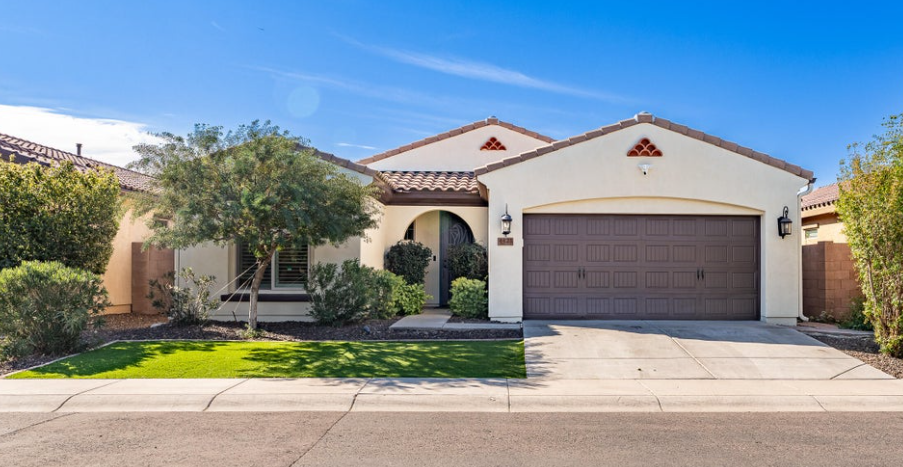
How to Keep Your Parents' Home Out of Probate
Avoiding probate on your parents' home can save your family months of court delays and thousands in legal fees. Here's how to plan ahead, the right way.
How to Keep Your Parents' Home Out of Probate: A Practical Guide for Families
The most reliable way to keep your parents' home out of probate is to ensure it is properly transferred into a revocable living trust during their lifetime — though Arizona's beneficiary deed, California's transfer-on-death deed, joint tenancy with right of survivorship, and small estate procedures can also help families avoid probate in certain situations. Done correctly, these tools can save your family 6 to 18 months of court delays and $15,000 to $60,000 or more in legal and administrative fees when the home eventually passes to the next generation.
For families in Scottsdale, Paradise Valley, Orange County, and San Diego, this is one of the most consequential conversations to have with aging parents — and one of the most often delayed. This guide walks through how probate actually works, why families want to avoid it, and the specific steps to take in both Arizona and California to keep your parents' home out of the probate process entirely.
Why families want to avoid probate
Probate is the court-supervised process of settling a deceased person's estate. While probate serves a legitimate legal purpose, it carries significant costs that surprise most families:
Time costs. Arizona probate typically takes 4 to 12 months. California probate typically takes 9 to 18 months — sometimes longer. During this period, the home cannot be sold, refinanced, or transferred without court approval.
Financial costs. Probate attorney fees, court filing fees, appraisal fees, and administrative costs typically total $15,000 to $60,000 or more for a home in the $1M to $5M range. In California, attorney fees are set by statute as a percentage of the estate, which can become substantial for valuable properties.
Emotional costs. Families navigating probate during grief often describe the process as one of the hardest parts of losing a loved one. Court timelines feel out of their control. Public proceedings expose family financial matters. Heir disputes can become formal legal conflicts.
Privacy costs. Probate is a public process. The will, the estate inventory, sale prices, and heir identities all become matters of public record. Family financial details are exposed permanently.
For most families, avoiding probate isn't about avoiding the law — it's about protecting their parents' wishes, their family's privacy, and their inheritance from unnecessary erosion.
The four main ways to keep a home out of probate
There are four primary legal tools available to families. Each has advantages and limitations.
1. Revocable living trust (the gold standard)
A revocable living trust is a legal entity created during the homeowner's lifetime that owns the home on the homeowner's behalf. The homeowner remains in full control — they can sell the home, refinance it, move into it, or change the trust at any time.
When the homeowner passes, the home transfers to the named beneficiaries without going through probate. A successor trustee — typically a family member or trusted advisor — manages the transfer privately.
Advantages of a living trust:
Avoids probate completely
Private (not part of the public record)
Provides incapacity planning (if the homeowner becomes unable to manage their affairs)
Allows for sophisticated planning across multiple assets
Works in every state
Limitations of a living trust:
Requires upfront cost ($2,500–$8,000 for setup with an attorney)
Requires the home to actually be transferred into the trust ("funded")
Requires periodic updates as life circumstances change
A critical warning: Many families create a trust but never properly fund it by transferring the home's title. If the deed still names the homeowner individually rather than the trust, the home will go through probate regardless of the trust's existence. Always verify the deed reflects the trust as owner.
2. Arizona beneficiary deed (Arizona only)
Arizona has a uniquely effective tool: the beneficiary deed. This is a deed recorded during the homeowner's lifetime that names beneficiaries to receive the property automatically upon the homeowner's death — no probate required.
How an Arizona beneficiary deed works:
The homeowner signs and records a beneficiary deed at the county recorder's office
The deed names one or more beneficiaries
The homeowner retains full control of the property during their lifetime
The homeowner can revoke or change the deed at any time
Upon the homeowner's death, the beneficiary records the death certificate and the property transfers automatically
Advantages of an Arizona beneficiary deed:
Extremely low cost (typically $200–$500 to prepare and record)
No probate
The homeowner retains complete control during their lifetime
Easy to revoke or change
Does not affect homeowner's ability to sell, refinance, or use the property
Limitations of an Arizona beneficiary deed:
Only works for Arizona property
Does not provide incapacity planning
Can create complications if beneficiaries predecease the homeowner
Does not address other estate planning needs
For many Arizona families with a single primary asset (the home), a beneficiary deed is the simplest and most cost-effective way to avoid probate.
3. California transfer-on-death deed (California only)
California's equivalent to the Arizona beneficiary deed is the transfer-on-death deed, also called a revocable TOD deed. It was made available to California homeowners in 2016 and works similarly.
How a California transfer-on-death deed works:
The homeowner signs a transfer-on-death deed in front of a notary
The deed is recorded at the county recorder's office within 60 days
The deed names one or more beneficiaries
The homeowner retains full control during their lifetime
Upon the homeowner's death, the beneficiary records the death certificate and the home transfers
Advantages of a California transfer-on-death deed:
Low cost (typically $300–$800 with attorney preparation)
Avoids probate for the home itself
Homeowner retains complete control
Can be revoked or changed
Works for properties with up to four owners
Limitations of a California transfer-on-death deed:
Only available for residential properties of 1–4 units
Beneficiary must survive the homeowner by 120 hours
Does not provide incapacity planning
May not protect the property from creditor claims
More limited than a full trust for sophisticated planning
For California families with a primary residence and uncomplicated heir situations, a transfer-on-death deed can be a simple solution. For larger estates or complex family situations, a living trust is typically preferred.
4. Joint tenancy with right of survivorship
Joint tenancy is a form of property ownership where two or more people own a property together, and when one dies, the property automatically passes to the surviving owners — without probate.
How joint tenancy works:
The deed lists multiple owners as "joint tenants with right of survivorship"
All owners have equal ownership during their lifetimes
When any owner dies, the survivors automatically inherit their share
No probate is required for the transfer
Advantages of joint tenancy:
Immediate transfer at death
No probate
Very simple to establish
Limitations of joint tenancy:
Adds a co-owner immediately (with full ownership rights)
Creates gift tax implications when added (above the annual exclusion)
Subjects the property to the co-owner's creditors, lawsuits, and divorces
Co-owner's signature is required for any sale or refinance during the homeowner's lifetime
May trigger reassessment of property taxes (in California)
Loses the step-up in basis tax benefit for the portion gifted
Most estate planning attorneys advise against using joint tenancy as a probate avoidance tool, except for spouses. Adding adult children to a deed as joint tenants creates more problems than it solves for most families.
Why a trust is usually the best choice
For families with significant assets or complex situations, a revocable living trust is almost always the best probate avoidance tool. Here's why:
Comprehensive coverage. A trust can hold all of your parents' major assets — the home, investment accounts, bank accounts, vehicles, art, jewelry, business interests — under a single estate plan. Other tools only address the home.
Incapacity planning. If your parents become unable to manage their affairs (due to dementia, stroke, or extended illness), the successor trustee can step in immediately to manage their assets and care. Other tools don't provide for this.
Privacy. Trust transfers are private. Beneficiary deeds and transfer-on-death deeds are public records.
Flexibility. A trust can include sophisticated provisions for blended families, special needs heirs, charitable giving, generation-skipping transfers, and tax planning. Simpler tools can't address these needs.
Lifetime protection. A well-drafted trust can protect assets from creditors, lawsuits, and even nursing home costs (with additional planning).
The setup cost of a trust ($2,500–$8,000) is usually paid back many times over in avoided probate costs alone.
Step-by-step: How to help your parents avoid probate
If you're ready to have this conversation with your parents, here's a practical approach:
Step 1: Start the conversation gently
Probate planning is emotionally loaded for parents because it requires confronting mortality. Approach the conversation with warmth, not pressure. Common entry points include:
"I was reading about how probate works and realized I have no idea what your plans are. Can we talk?"
"A friend at work just went through probate with their dad and it was awful. I want to make sure we're prepared."
"I want to make sure your wishes are honored when the time comes — what have you set up?"
Many parents have done nothing because they don't know where to start, not because they're avoiding the topic.
Step 2: Inventory what already exists
Many parents have done some planning but aren't sure exactly what. Help them locate:
The deed to the home (check the county recorder's office if needed)
Any existing will
Any existing trust documents
Beneficiary designations on retirement accounts and life insurance
Bank account ownership structures
Vehicle titles
This inventory often reveals gaps — for example, a trust that exists but was never funded with the home.
Step 3: Consult an estate planning attorney
For most families, the next step is a consultation with an estate planning attorney in your parents' state of residence. Look for:
Board-certified estate planning specialists if available
Attorneys who have practiced estate planning for at least 10 years
Attorneys who focus on estate planning (not general practice attorneys who do some estate work)
Attorneys who offer a flat-fee structure for trust packages (rather than billing hourly)
A typical initial consultation costs $0–$500 and produces a clear recommendation for the right tools given your parents' specific situation.
Step 4: Execute the recommended tools
Depending on the attorney's recommendation, this typically involves:
Drafting and signing the trust documents (if applicable)
Preparing and recording new deeds to transfer the home into the trust (if applicable)
Updating beneficiary designations on retirement accounts and life insurance
Updating other asset titles as recommended
Signing powers of attorney and healthcare directives
For most families, this process takes 4 to 8 weeks from first consultation to fully executed plan.
Step 5: Verify everything was done correctly
This is the step most families skip — and the one that most often causes problems years later. After execution, verify:
The home's deed actually reflects the trust as owner (check at the county recorder's office)
All bank and investment accounts have been retitled or have appropriate beneficiary designations
All beneficiary designations on retirement accounts and life insurance reflect current wishes
Copies of all documents are stored safely and known to the successor trustee
A trust that exists on paper but doesn't own anything provides no probate protection.
Step 6: Review periodically
Estate plans should be reviewed every 3 to 5 years, or after any major life event:
Birth or adoption of children/grandchildren
Marriage or divorce in the family
Death of a beneficiary
Significant change in financial circumstances
Move to a new state
Change in tax law
The plan that worked perfectly 10 years ago may not reflect current wishes or current law.
Common mistakes families make
Several recurring mistakes cause families to end up in probate despite their best intentions:
Mistake 1: Creating a trust but never funding it. The most common and most expensive mistake. The trust exists, but the home was never transferred into it. When the parent passes, the home goes through probate.
Mistake 2: Using only a will instead of a trust. A will does not avoid probate — it directs how probate distributes assets. Many families believe a will is enough. It usually isn't.
Mistake 3: Adding adult children to the deed as joint tenants. Creates immediate gift tax issues, exposes the home to the child's creditors and divorces, and eliminates the step-up in basis tax benefit.
Mistake 4: Outdated beneficiary designations. Beneficiaries listed 20 years ago may be deceased, ex-spouses, or estranged. Outdated designations override the will or trust.
Mistake 5: Not coordinating with other planning. Estate plans need to work together with retirement account beneficiaries, life insurance, business succession plans, and (where applicable) prenuptial agreements.
Mistake 6: Doing it themselves with online forms. Online estate planning tools have improved dramatically, but they often miss state-specific requirements and family-specific complications. For most families, the cost savings aren't worth the risk.
A few specifics for our service areas
Arizona families (Scottsdale, Paradise Valley) — Arizona's beneficiary deed is a uniquely effective tool. Many Arizona families with a single primary residence can avoid probate cost-effectively with a beneficiary deed alone. For families with multiple assets or complex situations, a full trust is still recommended.
California families (Orange County, San Diego) — California's higher property values and statutory attorney fee schedule make probate avoidance especially valuable. A trust that costs $5,000 to establish can save the family $50,000 or more in probate fees later. California's transfer-on-death deed is useful for simpler situations.
Frequently Asked Questions
How do I keep my parents' home out of probate? The most reliable method is to ensure the home is properly transferred into a revocable living trust during your parents' lifetime. Arizona families can also use a beneficiary deed, and California families can use a transfer-on-death deed. The right tool depends on your family's specific situation.
Does a will avoid probate? No. A will directs how probate distributes assets, but does not avoid the probate process itself. To avoid probate, the home must be transferred via trust, beneficiary deed, transfer-on-death deed, or similar tool.
How much does it cost to set up a trust to avoid probate? A revocable living trust typically costs $2,500 to $8,000 with an estate planning attorney, depending on complexity. The cost is usually recovered many times over in avoided probate expenses.
Can I add my parents' home to my name to avoid probate? Generally not recommended. Adding adult children to a deed as joint tenants creates gift tax issues, exposes the home to the child's creditors, and eliminates the step-up in basis tax benefit. A trust is almost always a better solution.
What if my parents already have a trust but never put the home in it? This is a common situation. An attorney can prepare a new deed transferring the home into the existing trust. The cost is typically $300–$800. This single step can save the family tens of thousands in probate fees.
What service areas does LL Probate Real Estate Services cover? Sandra Mccullough, Associate Real Estate Broker leads the team and provides probate real estate services across Scottsdale, Paradise Valley, Orange County, and San Diego. For estate planning attorney recommendations in these markets, contact us for a referral.
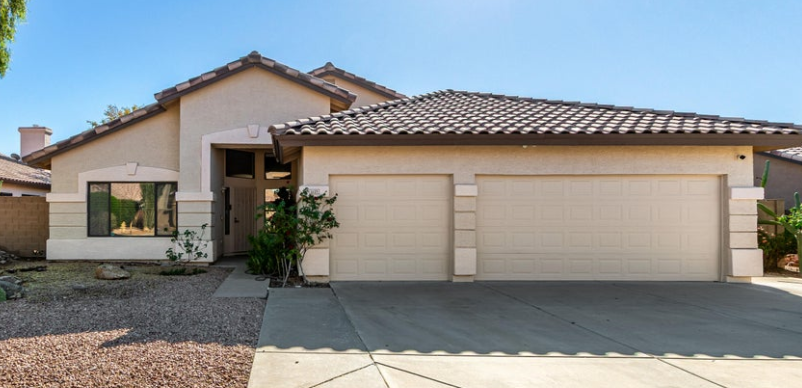
How to Sell an Inherited Home
A complete guide to selling an inherited house — from the first steps after a loved one's death through closing, including tax considerations.
How to Sell an Inherited Home: A Step-by-Step Guide for Families
Selling an inherited home is a multi-step process that begins with confirming legal authority through probate, continues through preparing and marketing the property, and concludes with closing the sale and distributing proceeds to heirs. For most families, the entire process takes 6 to 18 months from the date of death to closing — though the actual real estate transaction itself may take only 30 to 60 days once the home is ready to list.
This guide walks through every step in plain language, with particular attention to the unique tax and legal considerations that come with inherited property.
Step 1: Don't make any major decisions in the first 30 days
The most important advice for the immediate aftermath of losing a loved one is also the simplest: don't rush. In the first month, focus on:
Obtaining multiple certified copies of the death certificate (you'll need 10–15)
Locating the will and any related estate planning documents
Securing the home (changing locks if needed, forwarding mail, maintaining insurance)
Notifying mortgage companies, utility providers, and the homeowner's insurance carrier
Beginning to inventory the home's contents
Resisting any pressure from "we buy houses" companies or investors
You don't have to decide what to do with the home in the first month. The home isn't going anywhere, and decisions made under emotional duress are often regretted later.
Step 2: Begin probate
In most cases, an inherited home cannot be sold until it has gone through probate (or has been transferred via a properly executed trust). The probate process formally appoints an executor and grants authority over estate assets.
To begin probate:
Hire a probate attorney in the state where the property is located. Probate is a state matter, so the attorney must be licensed in that state.
File the petition with the probate court along with the death certificate and the will (if any).
Wait for the court to appoint the executor — typically 30 to 90 days.
Receive Letters Testamentary (California) or Letters of Personal Representation (Arizona). These give the executor legal authority to act on behalf of the estate.
If the home was held in a properly funded trust, probate may not be required at all. The successor trustee can typically sell the home immediately. If you're unsure whether the home is in a trust, the deed will tell you — it will name a trust as the owner rather than an individual.
Step 3: Determine the home's value
Once the executor has authority, the next step is determining the home's fair market value as of the date of death. This is essential for two reasons:
For probate court — The court typically requires an inventory of estate assets, including the home's value, to be filed with the court.
For tax purposes — Inherited property receives a "step-up in basis" to its fair market value on the date of death. This dramatically reduces capital gains tax when the home is sold. Getting an accurate date-of-death valuation can save families tens of thousands of dollars at tax time.
The valuation should be done by:
A licensed real estate appraiser (most reliable)
A broker's price opinion (BPO) from a qualified real estate agent
Comparable sales analysis from a probate-experienced agent
Avoid using only Zillow or other online estimates — they're typically not accepted by probate courts or the IRS.
Step 4: Decide what to do with the home
The executor (in consultation with the heirs) typically has three options:
Option A — Sell the home and distribute proceeds The most common choice. The home is prepared, listed, and sold; proceeds are used to pay estate debts and taxes, with the remainder distributed to heirs per the will.
Option B — One heir buys out the others If one heir wants to keep the home, they can typically purchase the other heirs' shares at fair market value. This usually requires the buying heir to obtain financing or use other inheritance funds.
Option C — Multiple heirs keep the home together Heirs jointly own the property as tenants in common. This option works for some families but creates ongoing complications around expenses, decision-making, and what happens when any heir wants to sell later.
For most families, Option A is the cleanest path — but the choice depends on family dynamics, financial circumstances, and the specific property.
Step 5: Prepare the home for sale
Preparing an inherited home for sale is often the most emotional step. Most inherited homes need some combination of:
Cleanout — A lifetime of belongings must be sorted, with items distributed to heirs, donated, sold, or discarded. This typically takes 2–8 weeks. Professional estate sale or cleanout services can dramatically reduce the burden.
Repairs — Many inherited homes have been owned by elderly homeowners and have deferred maintenance. A pre-listing inspection reveals what's truly needed versus what's cosmetic.
Cleaning and light staging — A deep clean, fresh paint, and modest staging can increase sale price by 5–15% and dramatically reduce time on market.
Documentation — Locate or order replacements for the deed, title, recent tax records, utility records, and any HOA documents.
A specialized probate agent can coordinate all of this, often leveraging trusted estate cleanout services, contractors, and stagers at favorable rates.
Step 6: List and market the home
Once the home is ready, the formal listing process begins. For probate sales, this differs slightly from a typical listing:
Disclosures must include the fact that the home is being sold from an estate
Pricing must be supported by the court-accepted valuation
Showings are managed carefully — typically requiring lockbox access and scheduled appointments
Offers are reviewed by the executor and, in some California probate cases, must be presented to the court for confirmation
A well-marketed probate home in our service areas typically receives offers within 14 to 45 days of listing, depending on price point and market conditions.
Step 7: Handle California's court confirmation hearing (if required)
California is unusual in that many probate sales require court confirmation. Here's what to expect:
The executor accepts an offer
The accepted offer is set as the "minimum" for the court hearing
A hearing date is scheduled (typically 30–45 days after the accepted offer)
At the hearing, the court allows other buyers to "overbid" the accepted offer
The first overbid must be at least 10% of the first $10,000, plus 5% of the remainder of the sale price (a formula set by California law)
Subsequent overbids are at the court's discretion
The highest bidder wins the home, and the sale moves to closing
The good news: court confirmation often results in significantly higher sale prices than the original accepted offer. The not-so-good news: it adds 30–60 days to closing and requires a specialized agent who knows the process.
In Arizona, court confirmation is typically not required, which makes the process faster.
Step 8: Close the sale and distribute proceeds
Once the sale closes:
Outstanding mortgages and liens are paid
Real estate commissions are paid
Title, escrow, and closing costs are paid
Property taxes are prorated
Estate debts are paid
Probate attorney fees are paid
Remaining proceeds are distributed to heirs per the will (or per state intestacy law if no will exists)
The executor is responsible for accounting for all of this and reporting it to the court before probate can close.
A critical tax consideration: step-up in basis
One of the most valuable benefits of selling an inherited home is the "step-up in basis." Here's what it means in plain language:
The original homeowner may have paid $200,000 for the home in 1985
The home is worth $1,500,000 when the homeowner passes away
Without step-up in basis, an heir who sold the home would owe capital gains tax on the $1.3 million in appreciation
With step-up in basis, the heir's "cost basis" resets to $1,500,000 — the fair market value on the date of death
If the heir sells the home shortly after for $1,500,000, there's no capital gains tax at all
If the heir sells later for $1,600,000, capital gains tax applies only to the $100,000 of additional appreciation
This is one of the most powerful tax benefits in American inheritance law. Getting an accurate date-of-death valuation is critical to maximizing it.
Frequently Asked Questions
Do I have to pay tax on an inherited home? Federal estate tax only applies to estates above $13.61 million (2024 limit), so most inherited homes are not subject to federal estate tax. The home itself is not taxed as income to the heir. Capital gains tax applies only on appreciation after the date of death, thanks to the step-up in basis.
How long after death can a house be sold? The home cannot be legally sold until the executor has been appointed by the probate court — typically 30 to 90 days after probate is filed. The home can then be listed and sold within the typical timeline of any real estate transaction.
Do all heirs have to agree to sell an inherited home? The executor has legal authority to sell the home on behalf of the estate, but most executors will not list a property over strong heir objections. If heirs disagree, the dispute may need to be resolved by the court before the sale proceeds.
Can I sell an inherited home "as-is"? Yes, and many inherited homes are sold as-is. This typically results in a lower sale price but eliminates repair and preparation costs. A specialized probate agent can help you weigh which approach maximizes value for the estate.
What service areas does LL Probate Real Estate Services cover? Sandra Mccullough, Associate Broker leads the team and provides probate real estate services across Scottsdale, Paradise Valley, Orange County, and San Diego.If you’re in a state we don’t service, contact me and I will refer you to a trusted agent in your state. Email me: Sandra.m@theagencyre.com